prove it media's
Wildfire
Readiness
prove it media's
Wildfire
Readiness
Wildfire & the American Utility

The fire map has changed. Has your playbook?

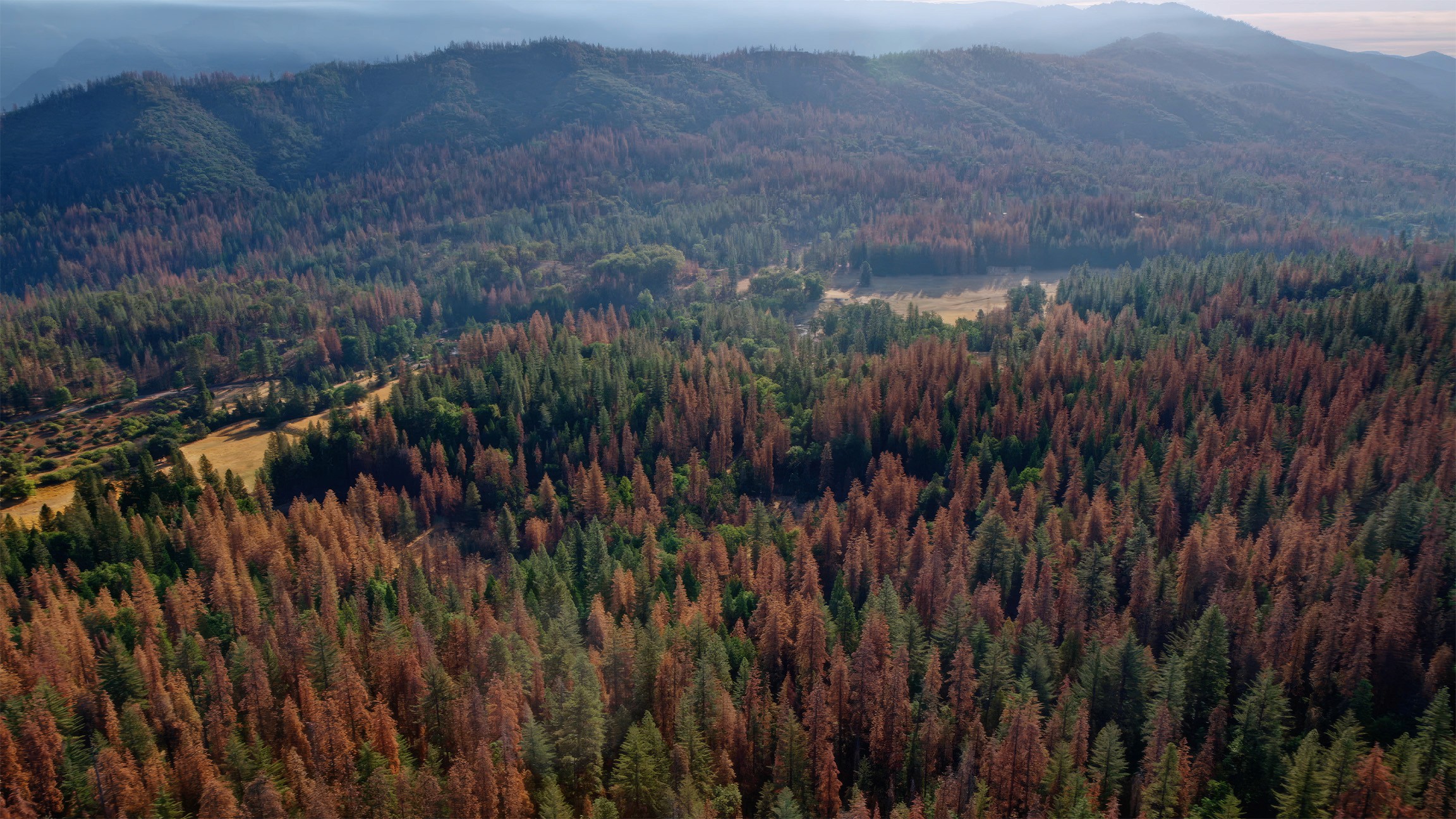
For decades, wildfire was a California story. It isn't anymore. Nebraska, Texas, Colorado, Georgia, and Florida have all rewritten their records in the past three years. Fire season now starts May 1st — and utilities that aren't prepared to communicate before it begins are already behind.

Prove It Media has worked on wildfire communications longer and deeper than any agency in the country. We wrote about the changing fire map before the New York Times covered it. Read the full piece → Here's what we know — and what your utility should be doing right now.

For decades, wildfire was a California story. It isn't anymore. Nebraska, Texas, Colorado, Georgia, and Florida have all rewritten their records in the past three years. Fire season now starts May 1st — and utilities that aren't prepared to communicate before it begins are already behind.

Prove It Media has worked on wildfire communications longer and deeper than any agency in the country. We wrote about the changing fire map before the New York Times covered it. Read the full piece → Here's what we know — and what your utility should be doing right now.

0%
0%
0%

of the U.S. is currently in drought — NIFC, 2026

May 1

Fire season now starts weeks earlier than historical models predicted

1.1M

acres burned in the 2024 Smokehouse Creek Fire in Texas — a state without a wildfire communications plan

Our work

What we've built for utilities on the front lines
We've worked with PG&E — one of the country's most scrutinized utilities — to develop wildfire communications that change behavior, build trust, and reach the communities most at risk.

Finalist

Pacific Gas & Electric

Evacuation

Finalist

Pacific Gas & Electric

Evacuation

equity & cultural relevance

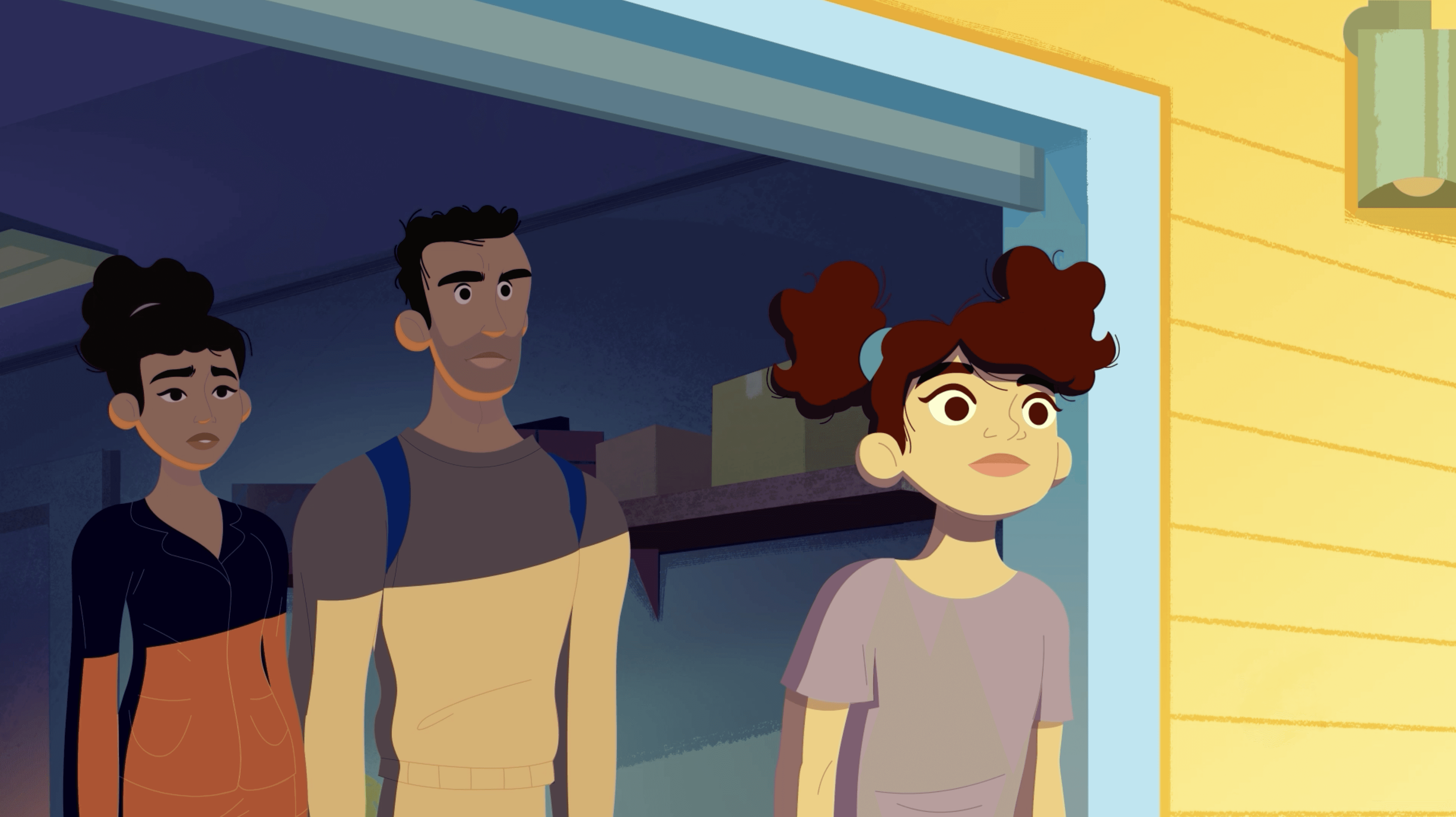
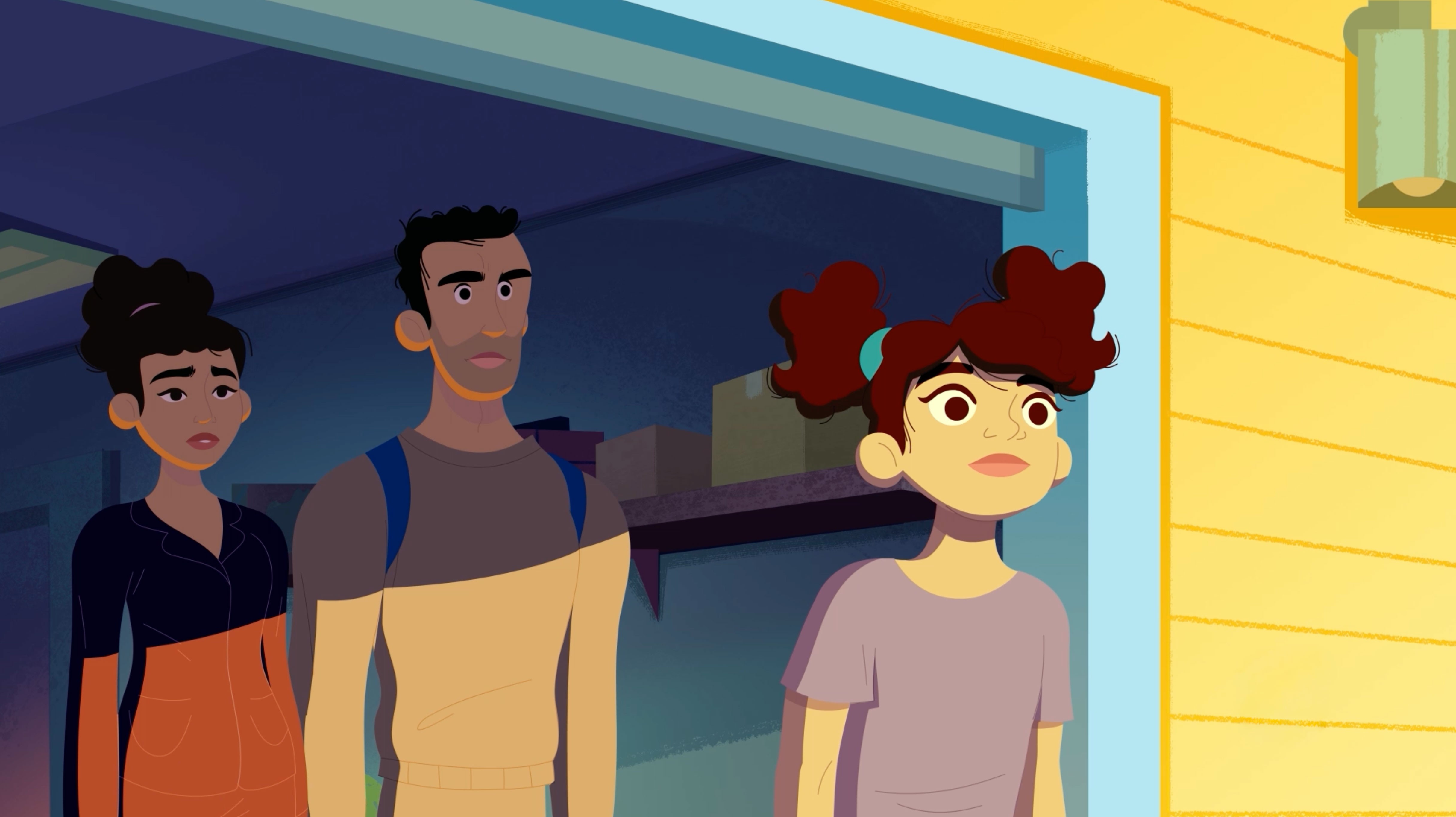
Wildfire evacuation messaging typically leads with fear — and produces anxiety instead of action. We replaced urgency with clarity: a calm, animated campaign that walked customers through the steps they need most, including how to open a garage door manually during a power outage. Delivered digitally in high fire-risk ZIP codes, the campaign outperformed every benchmark in the category.

0%

completion rate — significantly above wildfire safety category benchmarks

Finalist

Pacific Gas & Electric

Abuela

Finalist

Pacific Gas & Electric

Abuela

Safety & preparedness

The communities most exposed to wildfire risk — seniors, lower-income households, and Latino families — are often the least reached by standard communications. We developed a narrative-driven film told through the eyes of a grandson helping his grandmother prepare. No fear. No warnings. Just a story about reciprocity and love — and the specific actions that follow from it. It ran in English and Spanish across high fire-risk areas.

+0

brand trust lift among recallers vs. non-recallers

For utility communicators

6 tips for fire season

These aren't theoretical. They come from years of work alongside utilities navigating fire risk in real time — the ones that got it right, and the ones that didn't.

These aren't theoretical. They come from years of work alongside utilities navigating fire risk in real time — the ones that got it right, and the ones that didn't.

1

Treat wildfire as a national risk, not a regional one.

Nebraska, Texas, Colorado, Georgia, and Florida have all seen record-breaking fires in the past three years. If your utility doesn't have a wildfire communications strategy because you're not in the West, you're already behind.

1

Treat wildfire as a national risk, not a regional one.

Nebraska, Texas, Colorado, Georgia, and Florida have all seen record-breaking fires in the past three years. If your utility doesn't have a wildfire communications strategy because you're not in the West, you're already behind.

2

Begin planning before May 1 — that's when fire season starts.

Fire seasons are starting earlier and extending further into fall. Vegetation management, infrastructure hardening, emergency protocols, and customer communications all take lead time. By the time the season begins, your playbook should already be in place.

2

Begin planning before May 1 — that's when fire season starts.

Fire seasons are starting earlier and extending further into fall. Vegetation management, infrastructure hardening, emergency protocols, and customer communications all take lead time. By the time the season begins, your playbook should already be in place.

3

Talk about your early detection and prevention investments.

AI-powered monitoring, grid hardening, and vegetation management rarely reach the public. Surface these efforts proactively — through strategic storytelling that demonstrates foresight and accountability — before a fire gives regulators or media a reason to ask why you weren't prepared.

3

Talk about your early detection and prevention investments.

AI-powered monitoring, grid hardening, and vegetation management rarely reach the public. Surface these efforts proactively — through strategic storytelling that demonstrates foresight and accountability — before a fire gives regulators or media a reason to ask why you weren't prepared.

4

Build crisis communications infrastructure before you need it.

Define in advance what your utility will say, who will say it, and through which channels. Hawaiian Electric's proactive PSPS program — notifying customers across five islands via text, email, and voice calls ahead of high-risk weather — earned national recognition for customer communications. Utilities without a playbook face near-impossible conditions when a fire hits.

4

Build crisis communications infrastructure before you need it.

Define in advance what your utility will say, who will say it, and through which channels. Hawaiian Electric's proactive PSPS program — notifying customers across five islands via text, email, and voice calls ahead of high-risk weather — earned national recognition for customer communications. Utilities without a playbook face near-impossible conditions when a fire hits.

5

Replace fear with confidence in your messaging.

Fear-based wildfire communications produce anxiety, not action. The most effective preparedness messaging makes people feel capable rather than scared — and reaches communities most at risk. Seniors, non-English speakers, and lower-income households are often the least served by standard communications. Cultural relevance matters as much as language access.

5

Replace fear with confidence in your messaging.

Fear-based wildfire communications produce anxiety, not action. The most effective preparedness messaging makes people feel capable rather than scared — and reaches communities most at risk. Seniors, non-English speakers, and lower-income households are often the least served by standard communications. Cultural relevance matters as much as language access.

6

Use wildfire preparedness to build long-term trust.

Utilities that communicate proactively, invest visibly in prevention, and show up for their communities before a disaster don't just protect their infrastructure — they build the kind of trust with customers and regulators that lasts long after the smoke clears.

6

Use wildfire preparedness to build long-term trust.

Utilities that communicate proactively, invest visibly in prevention, and show up for their communities before a disaster don't just protect their infrastructure — they build the kind of trust with customers and regulators that lasts long after the smoke clears.

For your customers and communities

5 things everyone should do before fire season

Share these with the communities you serve. Simple, clear steps — designed to build confidence, not fear.

Know your evacuation zone.

Look it up now — before you need it. Your local utility or emergency management office publishes zone maps online. Knowing your zone and your route in advance saves critical time when conditions change fast.

Sign up for utility and emergency alerts.

Public Safety Power Shutoffs and emergency notifications are only useful if you receive them. Register your phone number, email, and preferred contact method with your utility today. Don't wait for a warning to find out you weren't signed up.

Learn to open your garage door manually.

During a power outage, automatic garage doors don't work — and many people don't know how to open them by hand. Pull the red emergency release cord and practice the manual override before you're in an emergency. It takes 30 seconds to learn.

Prepare a go-bag — and tell your family where it is.

A go-bag should include medications, documents, a charger, water, and a few days of essentials. Pack it. Put it somewhere everyone in your household knows. The bag doesn't help if no one can find it when it matters.

Check on the people around you.

Seniors, neighbors with disabilities, and families without reliable transportation are the most vulnerable during evacuations and outages. Before fire season, have a conversation with the people nearby. Preparedness isn't just personal — it's a community act.

Ready to build your wildfire communications playbook?

We've helped utilities navigate some of the most visible and high-stakes wildfire moments in the country. If your team is thinking about fire season — whether that's this year or next — we'd like to talk.

We've helped utilities navigate some of the most visible and high-stakes wildfire moments in the country. If your team is thinking about fire season — whether that's this year or next — we'd like to talk.

Thought Leadership

No items

Copyright © 2025. designed & Developed by Prove It Media.

Copyright © 2025. designed & Developed by Prove It Media.